

Nestled in the Shivalik ranges, sharing borders with the states of Uttarakhand and Uttar Pradesh in northern India, lies the majestic Rajaji National Park. Spanning an area of over 820 square kilometres, this park is a haven for nature lovers and wildlife enthusiasts.
Its beauty is not only in the vast expanse of scenic landscape that it offers, but also in the incredible biodiversity that is sustained within. From verdant hills to lush green forests, the park’s flora and fauna are as varied as its topography, making it a must-visit destination for anyone looking to experience nature’s grandeur. Whether you’re considering a visit or just looking to enhance your knowledge, here are ten fascinating facts that shed light on what makes Rajaji National Park a treasure trove of natural wonders.
1. Location and Landscape
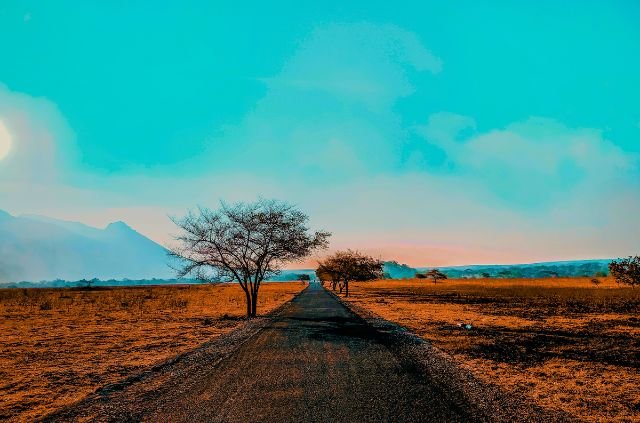
Rajaji National Park is located at the foot of the Himalayas, and its landscape is characterized by sprawling greenery, interwoven with numerous rivers, most notably the Ganges, which adds to its scenic charm. The park’s topography consists of dense and moist deciduous forests, rivulets, and valleys. The diverse terrain ranging from Savannah to lush forests, makes it a compelling study in how geographical variation nurtures diverse ecosystems.
2. Biodiversity
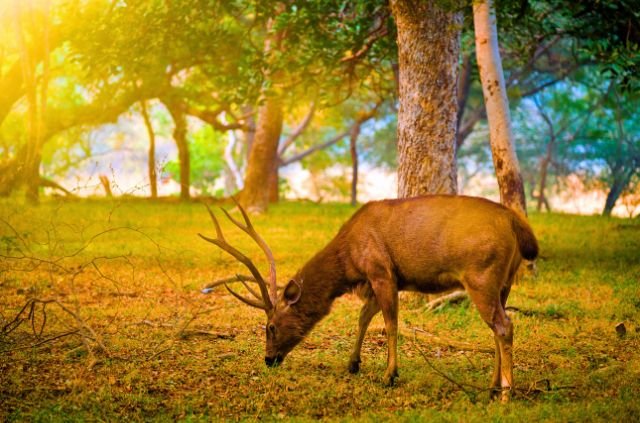
The park boasts an incredibly rich biodiversity, with over 23 species of mammals, more than 315 avifauna species, and a broad spectrum of amphibians and reptiles. The floral diversity is no less impressive, with over 800 species of flowering plants, including several rare and endangered ones. The range of life here is emblematic of the varied eco-systems supported by the region’s geography and climatic conditions.
3. Wildlife Highlights

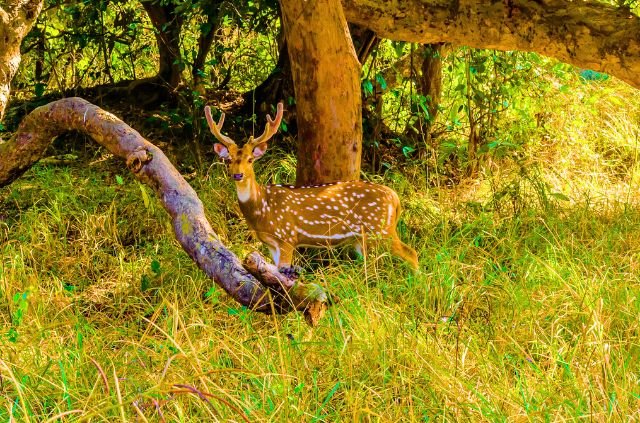
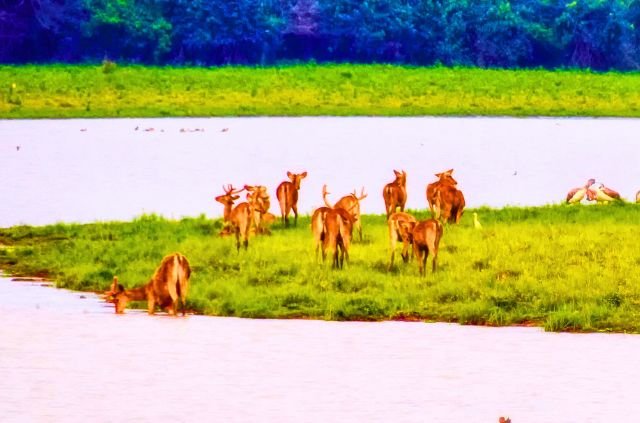
At Rajaji National Park, you’ll find a plethora of wildlife, from the mighty Asian elephant to the elusive Bengal tiger. Other residents include the leopards, various deer species like sambar, barking deer, and the spotted deer, as well as the sloth bear. This park is renowned for its healthy tiger and elephant populations, making safari tours an unforgettable experience for wildlife sightings.
4. Bird Watching Paradise
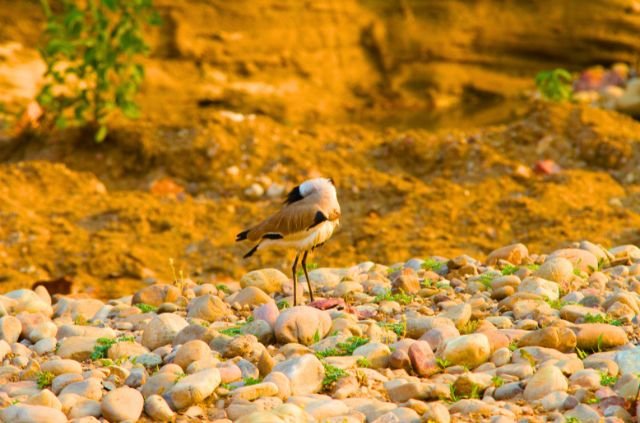
With the Shivalik mountains, lush green surroundings, and the Ganges, Rajaji is a bird watcher’s paradise. Popular avian residents include the Great Hornbill, which is a flagship species for conservation efforts, and the globally endangered white-rumped vulture. The diverse habitat ensures that bird watchers can spot both mountain and plains species in one outing.
5. Conservation Efforts
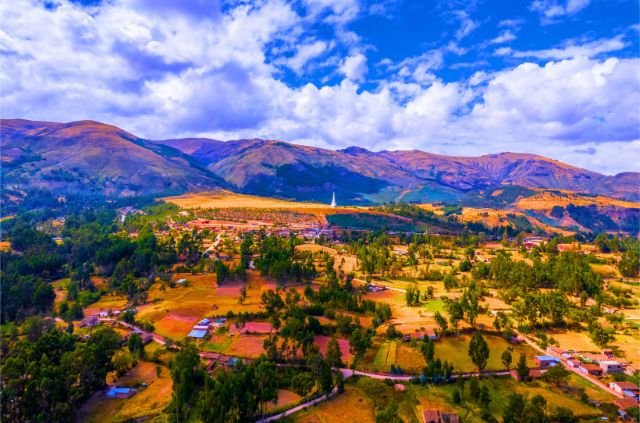
Rajaji National Park has played a crucial role in the conservation of threatened species. It was once the hunting ground of the erstwhile rulers of the region and was later converted into a game sanctuary. The park’s prolonged conservation efforts have been critical in the recovery of species that were once at the brink of extinction, showcasing that without dedicated intervention, many species would’ve faced irreversible decline.
6. Adventure Activities
The park offers various adventure activities, including trekking, wildlife safaris, and river rafting. The intense trekking trails through the hilly terrain provide an adrenaline rush and a deeper connection with nature. The safaris provide opportunities to see the wildlife up close, and the Ganges rivers allow for a more serene but no less thrilling experience.
7. Historical Significance
Beyond its natural beauty, Rajaji National Park holds historical significance, evident by the presence of sacred Hindu pilgrimage sites and hermitages that dot the landscape. The park is named after C. Rajagopalachari, fondly remembered as Rajaji, who was a prominent figure in India’s freedom struggle and the last Governor-General of independent India.
8. Best Time to Visit
The best time to visit Rajaji National Park is from November to March, when the weather is pleasant, and sightings of wildlife are more frequent. The summer months of April to June are hot, but ideal for bird watching. The monsoon season, from July to September, should generally be avoided as the park is closed to visitors during this time.
9. Interesting Trivia
Did you know that Rajaji National Park is one of the first tiger reserves in India? It was declared a tiger reserve in 2015 and is now a part of India’s Project Tiger initiative, a testament to the commitment of protecting the endangered big cats.
10. Visitor Tips
For the best experience, it’s recommended to book your safari well in advance, especially during peak tourist seasons. It’s also advised to maintain silence during wildlife sightings and not to leave any waste behind. Visitors must adhere to the park’s rules and respect the wildlife’s natural habitat.
What to Carry to Rajaji National Park
When planning a visit to Rajaji National Park, packing the right items is essential to make your experience both comfortable and rewarding. Equip yourself with binoculars to enhance your wildlife watching, ensuring you catch every movement in the distance. A camera with a good zoom function is indispensable for capturing the majestic beauty of the landscapes and the diverse species you’ll encounter.
Considering the park’s natural terrain and weather variations, wearing appropriate clothing, including layered options and sturdy footwear, will keep you ready for long treks and sudden climate changes. Do not forget to carry water bottles to stay hydrated and some snacks for energy. Lastly, a guidebook on local flora and fauna can enrich your understanding and appreciation of the park’s biodiversity.
Explore the Safari Zones
Rajaji National Park is divided into several exciting safari zones, including the Mohand Zone, Chilla Zone, Ramgarh Safari Zone, Ranipur Safari Zone, and Gohari Range. Each zone offers unique landscapes and opportunities for wildlife viewing, making them ideal for different adventure activities. For a truly immersive experience, consider exploring the Jhilmil Jheel Safari Zone, where you can witness the serene beauty of the region while observing its diverse wildlife.
Conclusion
Rajaji National Park stands as a testimonial to the natural wealth that India is blessed with. Its thriving ecosystems, diverse wildlife, and awe-inspiring landscapes make it a jewel in the country’s conservation efforts. From thrilling wildlife encounters to tranquil bird watching, the park offers a myriad of experiences. Whether you’re an intrepid explorer or a keen birder, Rajaji National Park is waiting to unfold its wonders to you.
(FAQs) 10 Facts About Rajaji National Park
1. Is the park accessible throughout the year?
Rajaji National Park is accessible to visitors from mid-November to mid-June. The park remains closed during the monsoon season to facilitate the regeneration of its flora and fauna.
2. What are the safari timings?
Safari timings are typically in the morning from 6:00 AM to 9:00 AM and in the afternoon from 3:00 PM to 6:00 PM. These timings can vary slightly depending on the season.
3. Can I book the safari online?
Yes, safari bookings can be made online through the official Rajaji National Park website or by several approved tour operators.
4. Is there any accommodation available inside the park?
There are several forest rest houses inside the park. Availability and bookings can be checked on the park’s official website or through approved tour agencies.
5. What should I bring on a safari?
It is advised to wear neutral-colored clothing, and carry binoculars, a camera, sunglasses, a hat, and water. Remember, plastic is strictly prohibited inside the park.
6. Are there any restrictions on photography inside the park?
Photography is allowed, but drone photography may be restricted or require permission. Visitors are advised to respect the wildlife and maintain a safe distance.
7. Is the park child-friendly?
Yes, the park is a fantastic place for children to learn about wildlife and nature. However, it’s important to keep close supervision on children at all times for their safety.
8. What wildlife might I see during a safari?
While wildlife sightings can never be guaranteed, you may see Asian elephants, Bengal tigers, leopards, various deer species, and numerous bird species, among others.
9. Are guides available for the safari?
Yes, trained and knowledgeable guides are available and are usually mandatory for safaris to enhance your experience and ensure safety.
10. Can I do a day visit to Rajaji National Park without going on a safari?
While the main attraction of the park is the safari, you can also visit for trekking or visiting certain non-restricted areas. However, access might be limited, and it is best to verify with park authorities before planning your trip.