

Welcome all our fellow readers to our Jeep Safari Rajaji National Park‘s blog page, today we will discuss the topic of “Van Gujjars and Rajaji National Park: A Story of Coexistence or Conflict?”. Nestled in the foothills of the Himalayas lies Rajaji National Park, a sprawling haven for tigers, elephants, and a rich tapestry of flora and fauna. Yet, within the park’s boundaries resides another vital element – the Van Gujjar community. These nomadic pastoralists, with their herds of buffaloes, have called Rajaji home for generations, practicing a unique form of transhumance, a seasonal migration between high-altitude summer pastures and the lower winter grounds within the park.
The story of Van Gujjars and the Park, however, is not a simple one. It’s a complex narrative woven with threads of tradition, conservation, and the struggle for land rights.
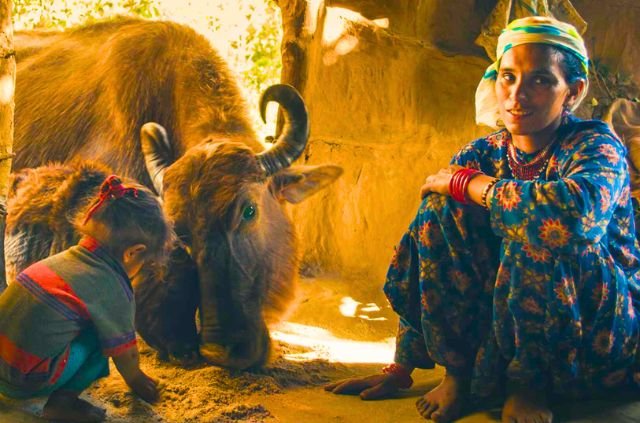
A History of Coexistence
The Van Gujjars, meaning “people of the forest,” have coexisted with the Himalayan ecosystem for centuries. Their nomadic way of life is intricately linked to the park’s ecology. Their buffaloes graze on specific grasses, promoting biodiversity and preventing the dominance of invasive species. Their knowledge of the forest’s flora and fauna is unparalleled, making them valuable allies in conservation efforts.
The Creation of Rajaji National Park and its Impact
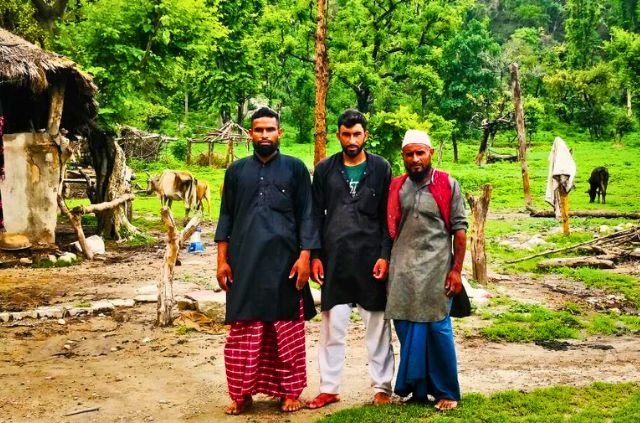
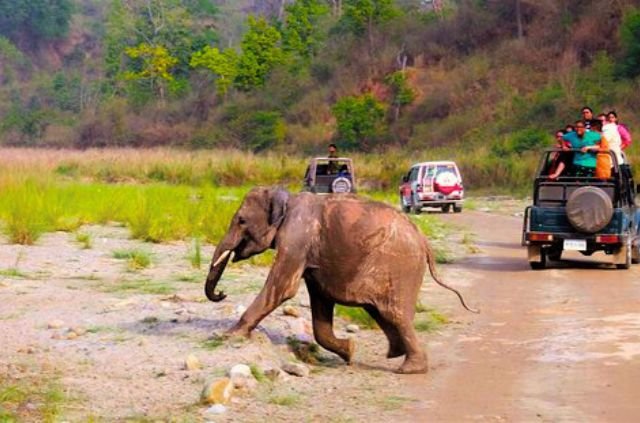
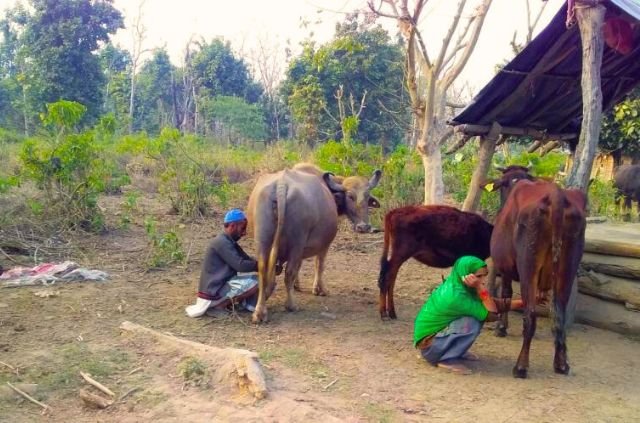
The establishment of this park in 1983, however, marked a turning point. The focus on wildlife conservation shifted the balance. The Van Gujjars, traditionally seen as integral to the park’s ecosystem, were now viewed as potential threats. Restrictions on their movement and grazing practices created tension. The lack of formal recognition of their rights further complicated the situation.
Challenges Faced by the Van Gujjars
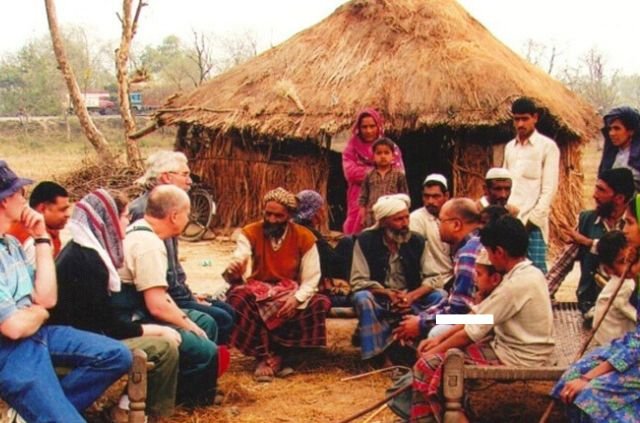
The Van Gujjars face a multitude of challenges within Rajaji National Park.
- Displacement: The government’s push for stricter conservation measures has led to attempts to relocate Van Gujjars outside the park. This disrupts their traditional way of life and often leads to inadequate resettlement options.
- Limited Rights: Despite their longstanding presence, the Van Gujjars lack official recognition as forest dwellers. This makes them vulnerable to eviction and restricts their access to resources within the park.
- Human-Wildlife Conflict: As the park’s wildlife population flourishes, instances of human-wildlife conflict have increased. Van Gujjar livestock are sometimes attacked by predators, leading to economic hardship.
- Development Pressures: Infrastructure development projects like roads fragment the park’s ecosystem, disrupting traditional migration routes and impacting wildlife movement.
Seeking a Solution
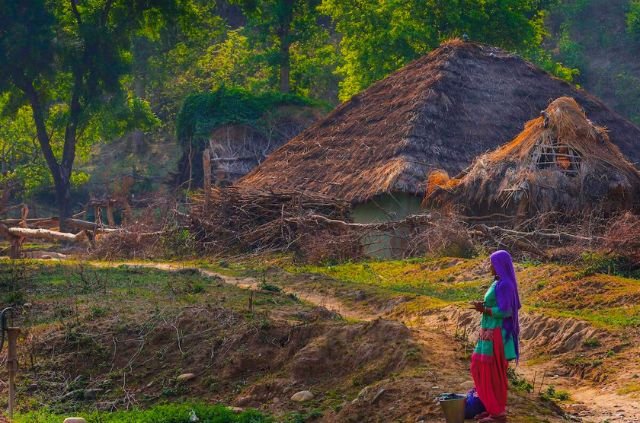
The current situation is unsustainable. Conservation efforts cannot succeed at the cost of the Van Gujjars’ well-being. There’s a growing need for a solution that balances both wildlife protection and the rights of the Van Gujjar community. Here are some potential approaches:
- Recognition of Rights: Granting the Van Gujjars official forest dweller rights under the Forest Rights Act (FRA) would provide them with legal protection and access to resources within the park.
- Sustainable Grazing Practices: Collaborative efforts can be made to develop sustainable grazing plans that minimize the impact on the park’s ecology while meeting the needs of the Van Gujjar livestock.
- Ecotourism Opportunities: The unique cultural heritage and knowledge of the Van Gujjars can be integrated into responsible ecotourism initiatives, generating income and promoting awareness about their way of life.
- Conflict Mitigation Strategies: Implementing measures to reduce human-wildlife conflict, such as strategically placed predator deterrents or compensation schemes for livestock loss, can foster a more harmonious relationship with wildlife.
Conclusion
The story of the Van Gujjars and Rajaji National Park is a complex tapestry woven with threads of tradition, conservation, and the struggle for land rights. It’s a story that challenges us to move beyond simplistic narratives and find solutions that are both equitable and sustainable. By acknowledging the Van Gujjars as integral to the park’s ecosystem and working collaboratively, we can build a future where the community and the park flourish together. This requires recognizing their rights, developing sustainable grazing practices, exploring ecotourism opportunities, and implementing conflict mitigation strategies. Achieving this vision requires a collective commitment from the government, conservation organizations, and the Van Gujjar community itself.
FAQs Related to Van Gujjars and Rajaji National Park
1. Who are the Van Gujjars?
The Van Gujjars are nomadic pastoralists who have coexisted with the Himalayan ecosystem for centuries. They practice transhumance, migrating seasonally between high-altitude summer pastures and lower winter grounds within Rajaji National Park.
2. Why are they facing challenges in Rajaji National Park?
The establishment of the park and stricter conservation measures have restricted their movement and grazing practices. They lack official recognition as forest dwellers and face displacement pressures, limited rights, and human-wildlife conflict.
3. How can they coexist with the park and its wildlife?
Recognizing their rights, developing sustainable grazing plans, exploring ecotourism opportunities, and implementing conflict mitigation strategies are key to ensuring their coexistence with the park.
4. What is the significance of this story?
The story of the Van Gujjars highlights the need for a nuanced approach to conservation that considers the well-being of both communities and wildlife. It encourages collaborative solutions and emphasizes the importance of respecting the rights and traditions of indigenous communities.
5. What can I do to help?
Learning more about the Van Gujjars and their struggles is a crucial first step. Supporting organizations advocating for their rights and promoting responsible ecotourism can also contribute to positive change.
6. How can I book a Jeep Safari at Rajaji National Park?
You can book a Jeep Safari in Rishikesh by contacting us through our official website, phone number, or email. We offer a variety of jungle safari packages that include exploring the Jhilmil Jheel Safari Zone, Mohand Zone, Chilla Zone, Ramgarh Safari Zone, Ranipur Safari Zone, and the Gohari Range. Simply fill out the booking form on our “Contact Us” page, or call us directly to make a reservation.